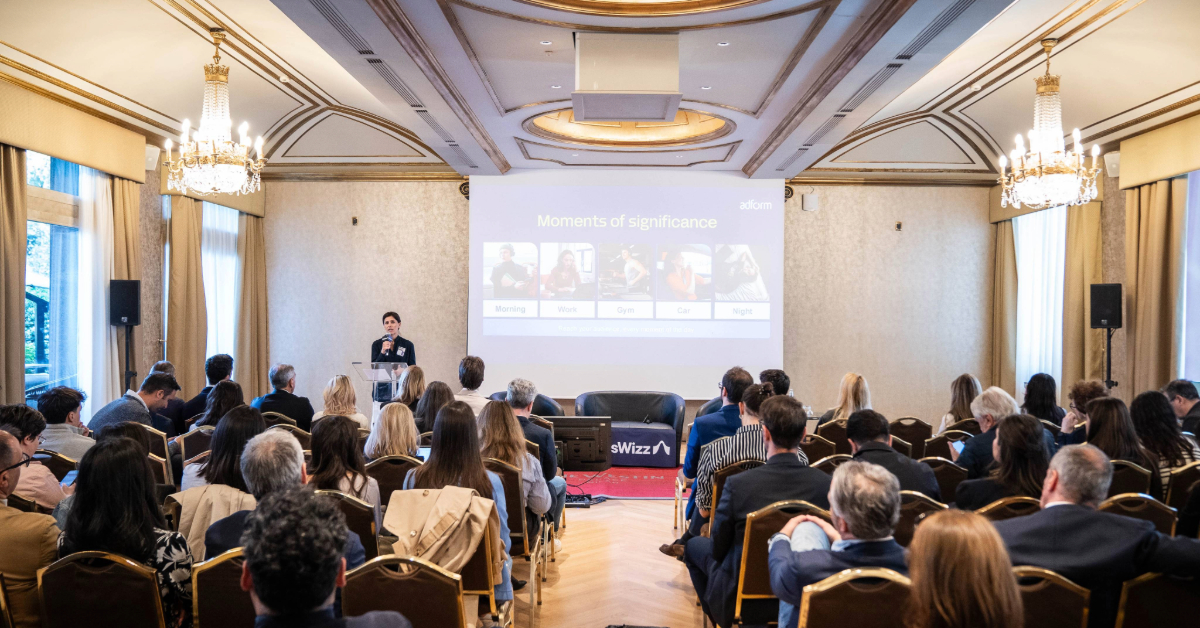
Being a part of AdsWizz Audio Days Milan 2026, what struck me most was how quickly the conversation moved past the basics. No one was asking whether audio works anymore. The discourse had already moved to what’s coming next.
We’ve reached a point where what matters now is what that changes, and how quickly strategies catch up.
At the same time, there was a recurring tension in the discussions. While digital audio consumption continues to grow and engagement remains strong, investment levels don’t always keep pace. In part, this reflects an ongoing cultural trend toward formats like video, even as listening behaviors change.
That shift showed up in a few consistent ways across the day, and three stood out as shaping where audio is heading.
1. Audio is no longer a channel—it is a daily consumer behavior

This was a theme that came through clearly in EU Digital Audio Trends, where I was part of the discussion alongside Janny-Claire Beberian, Senior Director of Demand Business, Southern Europe at AdsWizz.
For years, audio has been framed as a channel to be activated alongside display, video, and social. That framing made sense when the focus was on validation. It feels increasingly outdated now. Audio has historically been treated as an extension rather than a medium in its own right. That perception is starting to take shape differently as the role of listening becomes more central in people’s daily routines.
What we’re seeing is not just growth, but behavioral entrenchment
Audio is embedded into how people structure their day. It’s there when they’re commuting, working, exercising, or switching off. That consistency changes the nature of engagement because people aren’t dipping in and out. They are building habits around it.
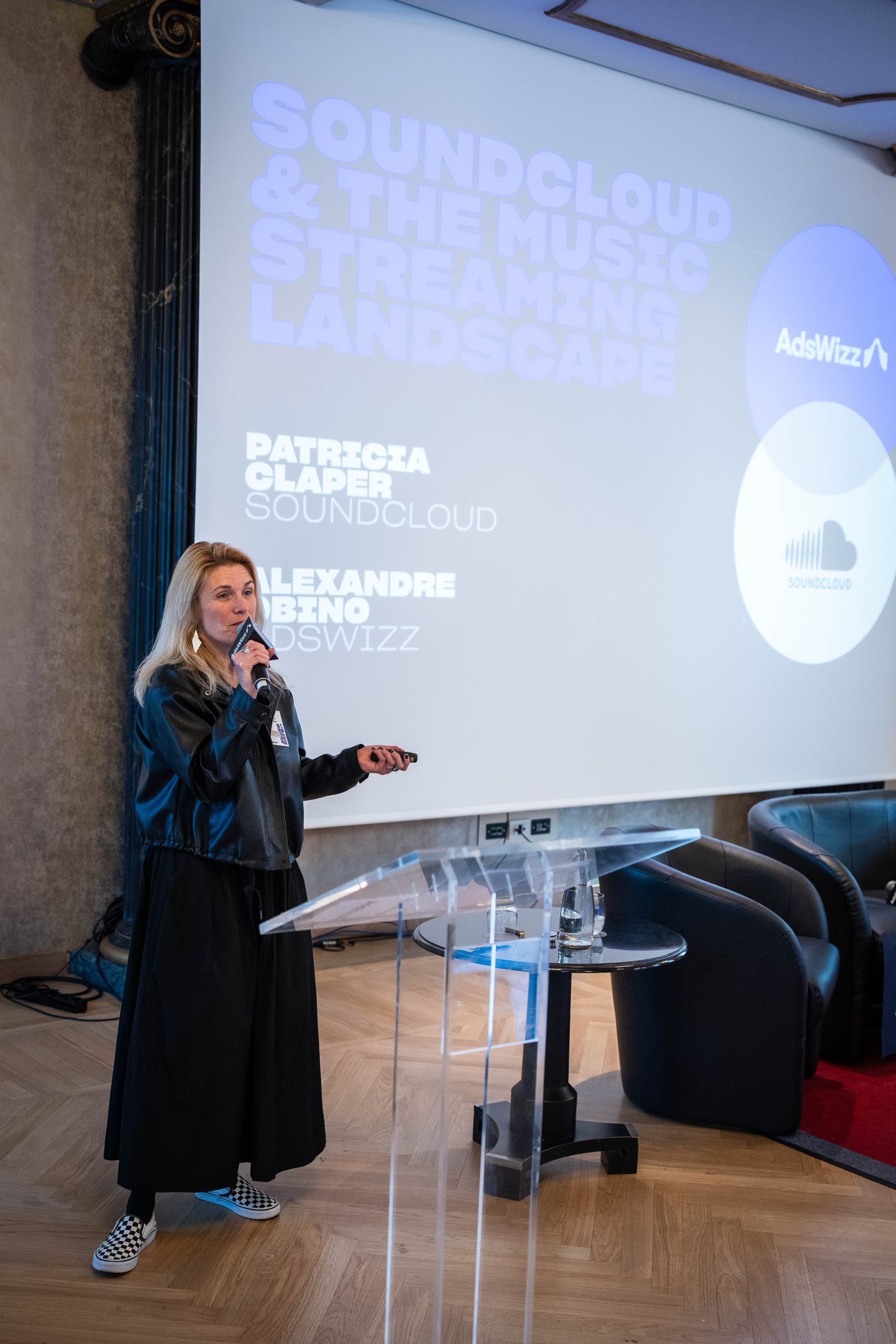
That behavior is also reflected in how people discover content. On platforms like SoundCloud, listeners in Italy spend nearly twice as much of their time discovering new music compared to other services, pointing to a more active and intentional listening habit.
For brands, that alters the dynamic. You’re not interrupting attention in the same way other channels do. You’re entering an environment people have already chosen, often for very specific reasons tied to mindset or context. That makes relevance non-negotiable. It’s no longer enough to reach someone. The message has to fit the moment they are in. It’s beyond adding another touchpoint.
It’s about showing up when people are already listening.
2. Precision is moving from targeting to receptivity
Another ongoing theme is how the industry is redefining precision.
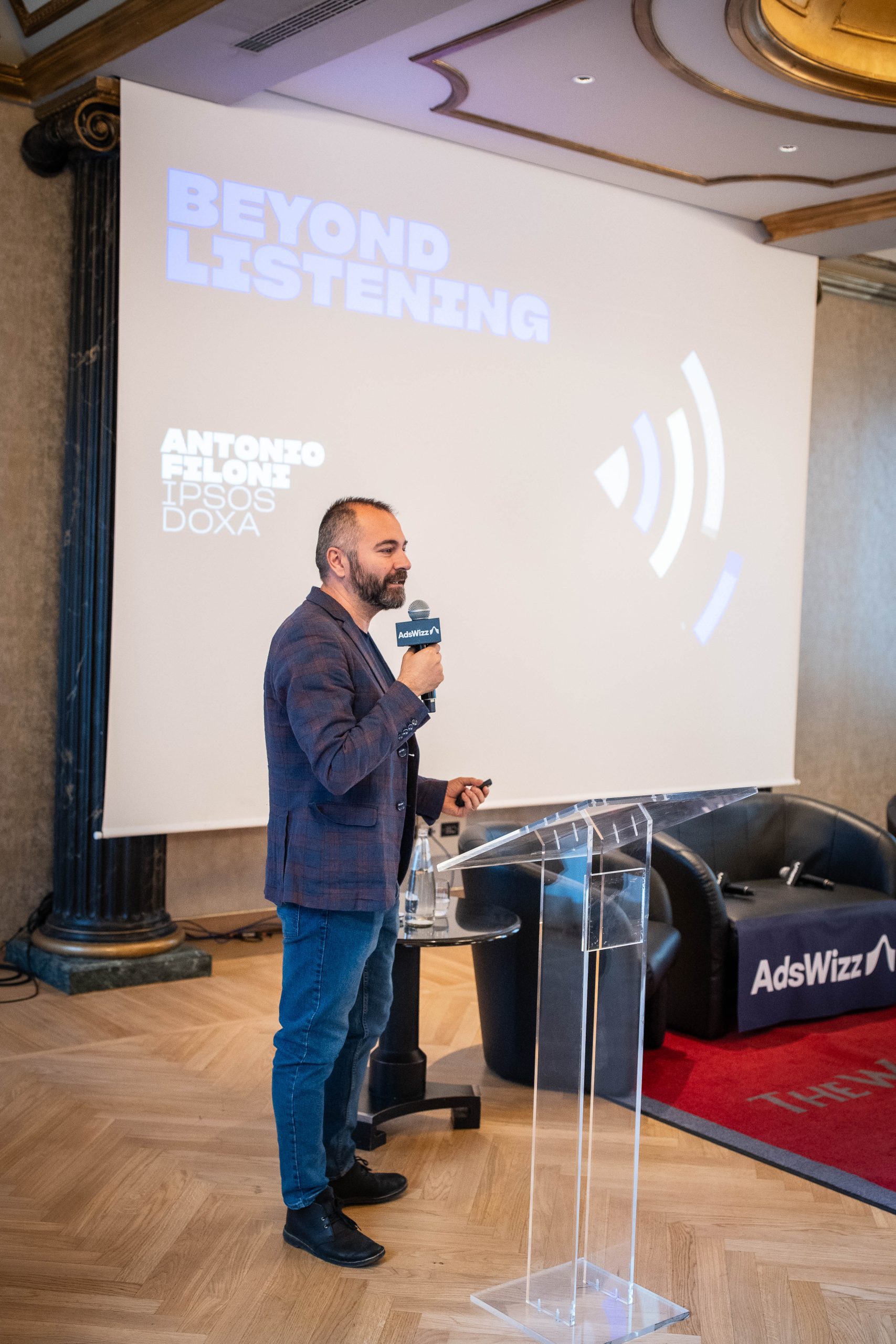
In From Listening to Value, Antonio Filoni, Business Development Director, Audience Measurement at Ipsos Doxa, focused on the growing importance of cross-platform measurement and attention-based insights. In Audio in the Omnichannel Media Plan, Sabina Marchetti, Team Lead, Account Management at Adform, spoke to how audio is becoming more integrated into broader programmatic workflows.
AI-powered personalization and the growing importance of first-party data are driving this shift, alongside a more privacy-first approach to how audiences are reached. For a long time, precision has been synonymous with targeting: better data, better segmentation, more refined audience definitions. That still matters, but it is no longer where the biggest gains are being made.
The real opportunity is no longer just who you reach, but when you reach them.
One example discussed during the day illustrated this shift clearly. Rather than focusing on broad city-level targeting, the campaign operated at a more granular, municipality level, prioritizing contextual relevance over scale. This meant fewer impressions, but a more controlled and context-aware presence.
This approach also required careful frequency management, particularly in smaller communities, where overexposure can quickly reduce effectiveness. Audio has a natural advantage here because listening behavior is inherently contextual, reflecting activity, mood, and intent. The opportunity is not to over-engineer that with more layers of targeting, but to work with it.
3. Audio is becoming native to the omnichannel media mix
There’s also something broader happening here. Audio isn’t sitting at the edges of digital strategy anymore. It’s becoming part of the core media mix.
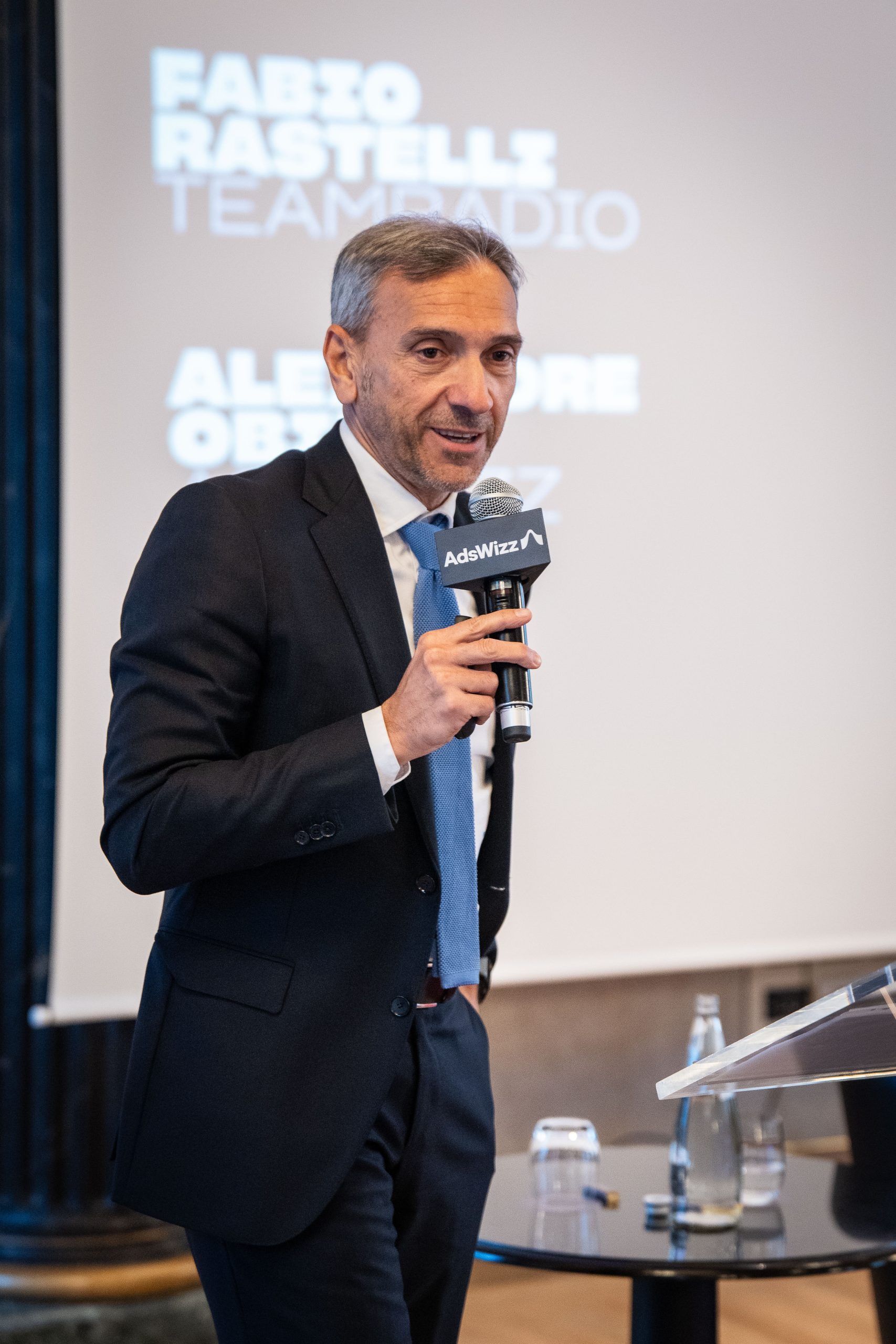
This was reinforced in Audio Innovative Formats, where Fabio Rastelli, Head of Sales at Teamradio explored how audio is evolving through dynamic creative, contextual triggers, and second screen activation that extends the experience beyond listening.
You can see this happening in very practical ways:
- Activation is becoming more seamless across platforms
- Inventory is more standardized and easier to transact
- Measurement is evolving toward unified frameworks that allow audio performance to be compared directly with other digital channels
At the same time, discussions highlighted ongoing structural challenges. Audio consumption is fragmented across multiple environments, from cars to smart speakers to apps and social platforms, each with its own signals and limitations. In some cases, those signals are delayed or incomplete, making it harder to connect exposure to outcomes in a consistent way.
Listening also often extends beyond a single touchpoint. Users move between environments, for example from in-house listening to social platforms, reinforcing the need to think about audio as part of a connected, cross-channel journey.
What Audio Days Milan reinforced for me
The opportunity now lies in how audio is applied, with more precision, more context, and a clearer role in the broader media mix.
While often positioned as an awareness channel, discussions during the day pointed to its ability to contribute further along the decision-making process. By reaching users in moments of focused attention and lower media clutter, it can influence how brands are perceived and considered. The brands that get this right won’t be the ones simply adding audio to their plans, but the ones building around how people actually listen.
- Want a deeper dive into these insights? Check out the Audio Days Milan 2026 executive summary in English or Italian.
- If you’re ready to move beyond testing and make audio work as part of your core strategy, talk to one of our adtech experts here.
Source: SoundCloud 2026 first-party data.
by Alexandre Obino, Business Development Director, ITA & ESP
Last Updated on May 1, 2026 by AdsWizz