Audio is no longer asking for a seat at the table, and the industry has known it for a while. That much was obvious at Cannes Lions 2026.
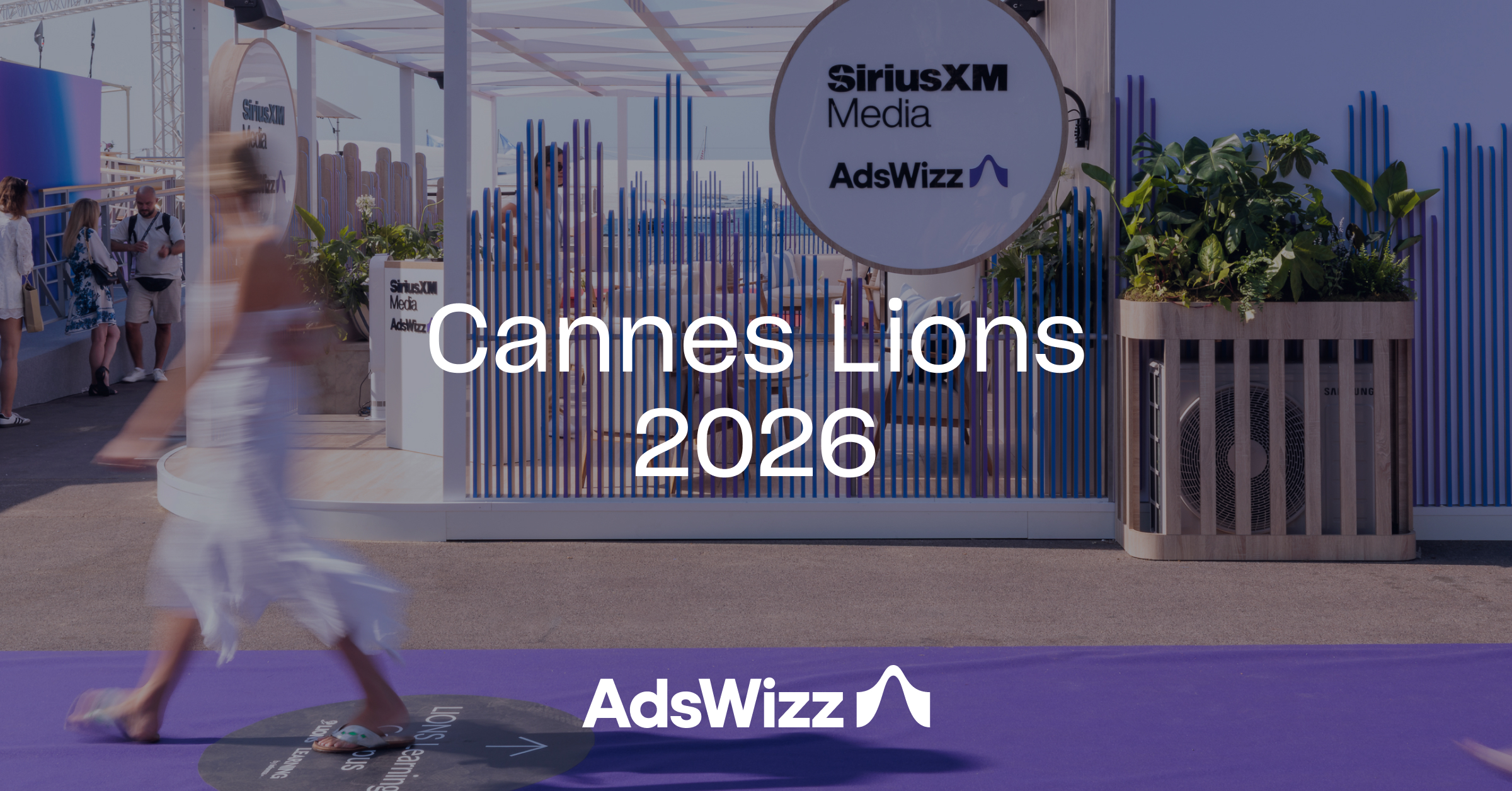
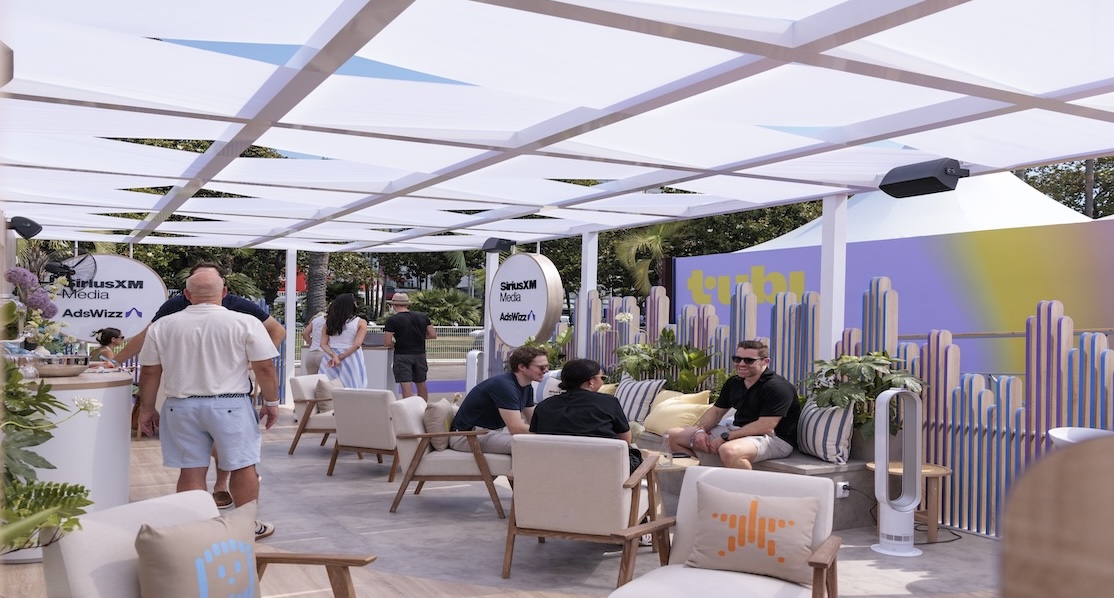
AdsWizz was back on Cabana Row, and the audio conversation ran through two stages that week: a Sounds Profitable panel and a VideoAmp session a day later. The rooms and the lineups were different, but the message was the same, and it came through in three themes.
1. The buyers showing up now aren’t experimenting anymore
Podcast advertising used to attract marketers with budget to test and curiosity to spare. The buyers arriving now are different, and that shift is where the panel, Why After 20 Years, Podcasting Is Finally Getting the Attention It Deserves, started. On stage: our own Anne Frisbie, SVP of Global Enterprise Commercial Business at AdsWizz; Krystina Rubino, GM of Offline & Audio at Right Side Up; and Rick Selah, Chief Revenue Officer at Libsyn Ads; with Cameron Hendrix, co-founder of Magellan AI, moderating.
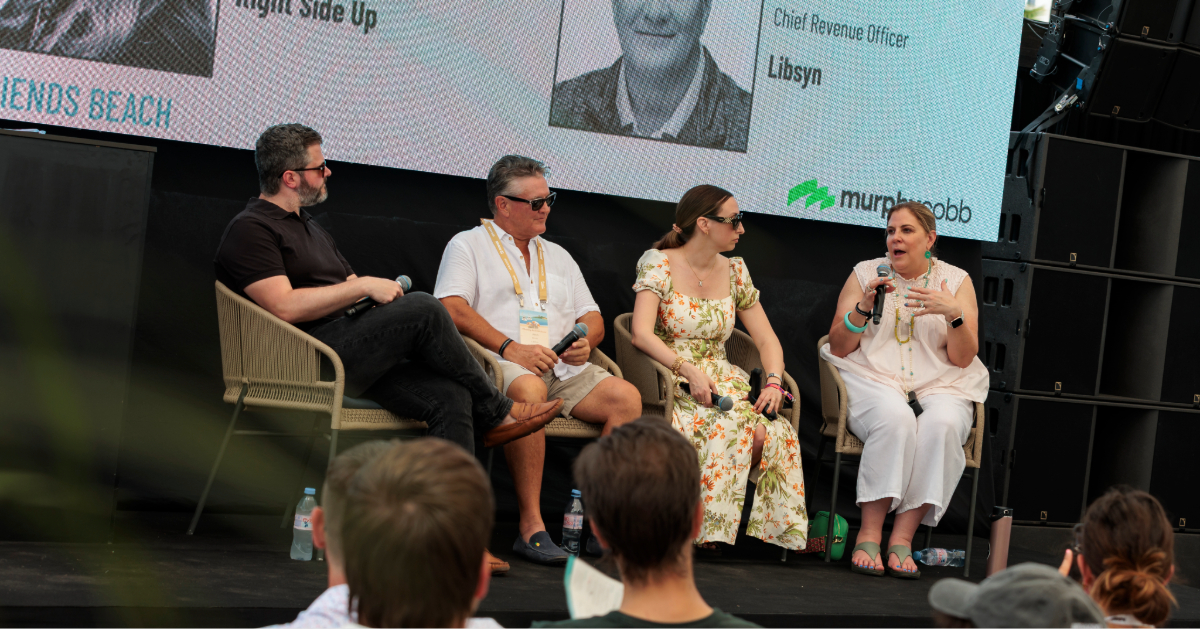
The new arrivals are brands that have maxed out their core digital channels, and with search and social hitting diminishing returns, they see podcasts as the answer to a problem rather than a nice-to-have. It’s the buyer Krystina works with daily.
What held these brands back was never the audience. It was clunky buying and thin proof, and both problems have faded: planning tools finally index the channel properly and measurement now looks like the rest of digital. The panel opened on the scale of the shift. By Magellan AI’s count, more than a thousand new brands have entered podcast advertising every quarter for the past couple of years, while plenty of major advertisers still haven’t committed. That gap is the opportunity. The channel works, and the competition for it hasn’t fully arrived. This aligned with what we heard in our various meetings and interactions all week: Buyers want proof, not promises.
2. Trust is the engine behind podcast ad performance
Podcast advertising works because it’s tightly linked to content. Listeners choose their shows deliberately and hear ads with almost no clutter, a world away from fighting for half a second in a feed. That was the case Anne made on the Why After 20 Years panel. And podcasts aren’t interchangeable with streaming audio. By Magellan’s numbers, the two audiences barely overlap, so the medium adds reach rather than duplicating it.
It’s also why host-read ads outperform on nearly every brand metric, a point Krystina unpacked on the panel. An endorsement from a voice you invited into your day lands differently than an interruption you tolerated. And the channel’s guardrails are human ones: hosts refuse products they don’t believe in, and buys still involve human judgment. A host who says no to the wrong advertiser is the reason audiences believe them when they say yes.
Even video, the format’s biggest shift, doesn’t dilute this. Video is a discovery engine, but the ROI shows up in audio. On the creator side, Rick made the argument: the smart move is using video to find an audience, then turning viewers into listeners. For brands, the same logic applies: let video handle discovery, and put the working dollars where the trust lives.
3. The data grew up, and it’s changing how audio gets planned and bought
Podcast measurement leaned on promo codes and vanity URLs for years. Now broader signals and cleaner attribution give buyers the accountability they expect from any digital channel. The day after the podcast panel, this data story ran throughout The First-Party Deep Dive at the VideoAmp Penthouse.
On stage: Sherene Hilal, SVP, Chief Ads Product Officer at SiriusXM Media; Youssef Ben Youssef, Head of Ads Business Development, Programmatic, and Privacy at Samsung Ads; Mike Rosen, Chief Revenue Officer at National CineMedia (NCM); and Emily Anthony, EVP, Head of Planning at iProspect; with Danielle Zazula, SVP, Digital Sales and Strategic Partnerships at VideoAmp, moderating.
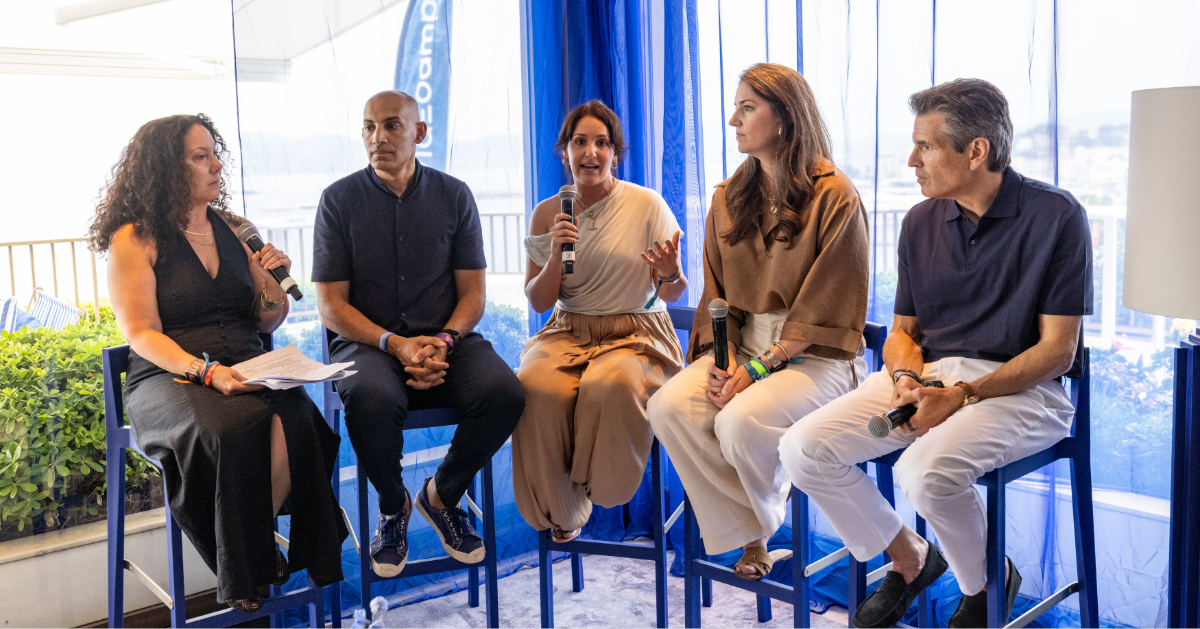
First-party data only pays off when it’s planned across channels, and audio has too often been left out of those workflows. Sherene’s case: Value audio correctly and plan it as a default, not an add-on. Nobody experiences a brand one channel at a time, and media plans that pretend otherwise cap their own results. When the data flows, audio stops being a silo.
Better data is reshaping deal-making, too. Anne made that argument on the Why, After 20 Years stage: attribution is changing advertiser and publisher conversations, and when both sides see what’s working, deals and renewals get easier.
Podcasting even has a head start on the AI shift, Anne noted, because the medium is rich in the signals AI engines can actually use: transcripts, host and guest context, show-level schedules. With buying getting more automated, tighter ad server integrations are becoming the price of entry, and connecting those signals to that demand is the work we do at AdsWizz.
Setting the benchmarks for 2027
Beyond the two stages, our cabana stayed busy with buyers and partners working through where programmatic audio goes next, while creators like Mel Robbins and Katie Nolan showed the other half of the portfolio: the premium content our technology exists to serve. SiriusXM Media has that side of the week covered, from the creators to the conversations they sparked.
Twenty years in, podcasting finally has the room’s attention. The brands that act now will be the ones everyone else chases next year. They’ll be built with audio.
Want to see what advanced audio advertising can do for your brand? Get in touch with our team.