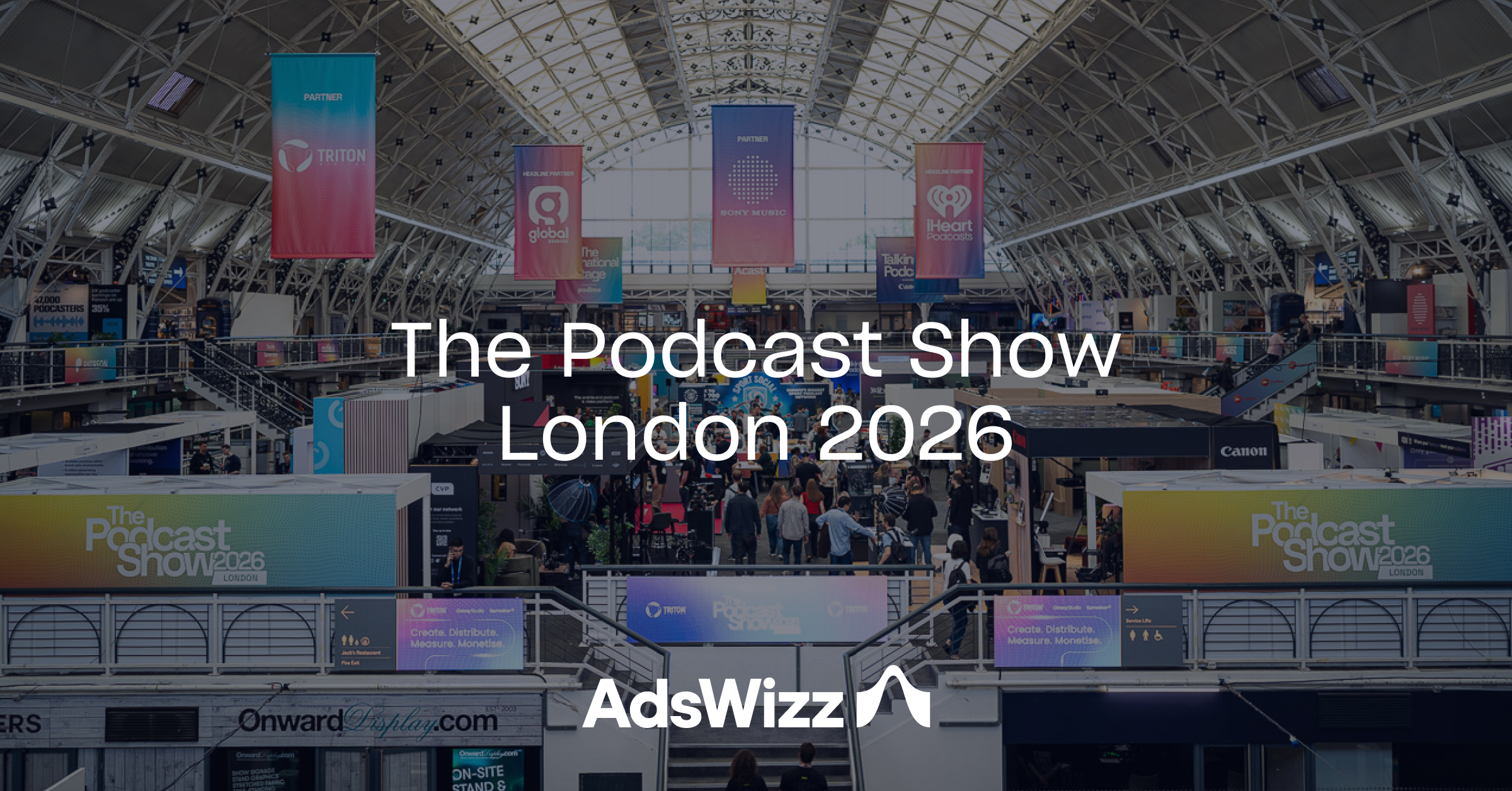
Presenting at a conference while attending it keeps you honest. That’s what I’ve always appreciated about The Podcast Show London. Not the version in the brochure, but the real conversations.
This year, three themes stood out. Podcast audiences are bigger and more valuable than most media plans give them credit for. The tools and data are finally catching up, but curation and activation remain the missing link between industry belief and budgets that actually move. And fandom is reshaping how brands think about context, fit, and results.
Those themes surfaced across research, panels, and conversations throughout the week.
UK podcast audiences are larger and more valuable than most advertisers realize
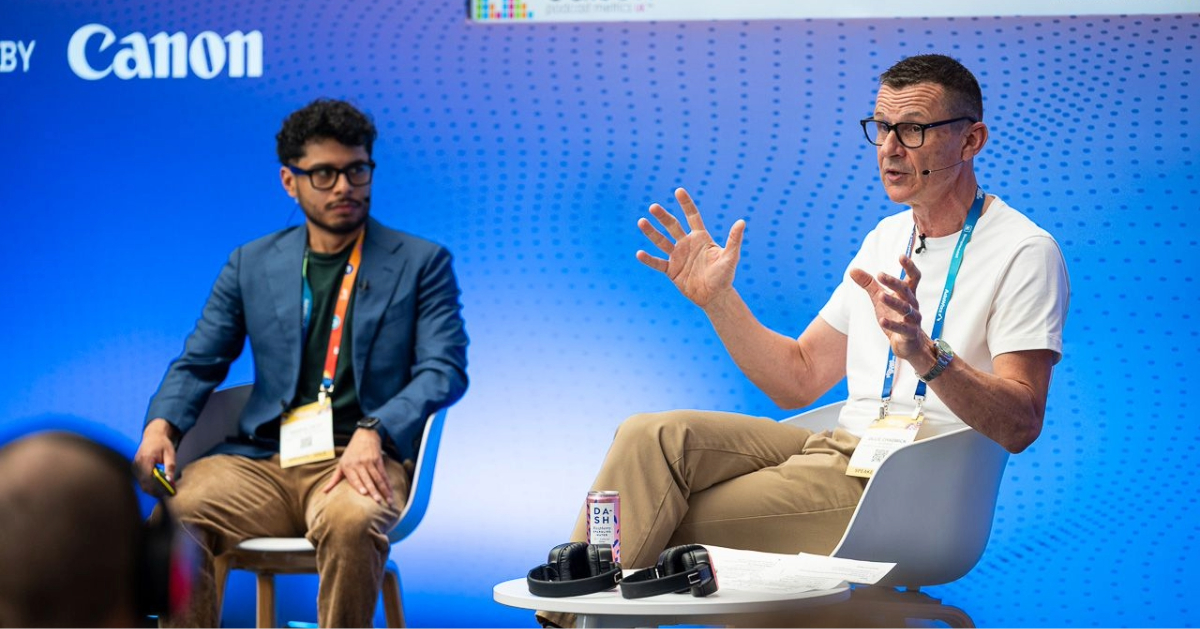
New data from Edison Research shows who UK podcast listeners actually are, and why that profile should be changing how buyers allocate budget.
Podcast advertising doesn’t have a reach problem, but more of a perception one. Many advertisers assume they’re already reaching this audience through other channels. The data suggests otherwise. That was the starting point for UK Podcast Consumer Report 2026: AI, Video, and More, where I joined Gabriel Soto, Senior Director of Research at Edison Research.
A few findings stood out.
Podcast consumption is up more than 10% year-over-year, with video helping drive growth. The UK’s top podcasts are increasingly video-led, expanding discovery through platforms like YouTube and creating new ways for advertisers to reach audiences. The audience data reflects that shift. More than half of UK adults 16+ now consume podcasts monthly, a third do so weekly, and 71% have listened to a podcast.
The profile of those listeners is where it gets even more interesting. Compared with non-listeners, monthly podcast consumers are more likely to be:
- Employed full or part time (71% vs. 52%)
- College educated (54% vs. 39%)
- Earning more than £40,000 annually (50% vs. 41%)
And for anyone who still thinks podcasting is a niche medium, one statistic landed particularly hard in the room: podcasting now reaches 60% of 18- to 34-year-olds in the UK. Broadcast TV reaches 57%.
Gabriel and I were also straight about AI. The opportunity is real: better personalization, smarter discovery, more efficient workflows. It was reported recently that 46% of new shows on the Podcast Index were likely AI-generated. That’s a lot of zero-marginal-cost content competing with legitimate creators for distribution and revenue. The brands and creators who double down on authenticity now are the ones who will stand out when the noise gets louder.
Podcast advertising is effective. The budget hasn’t caught up yet.
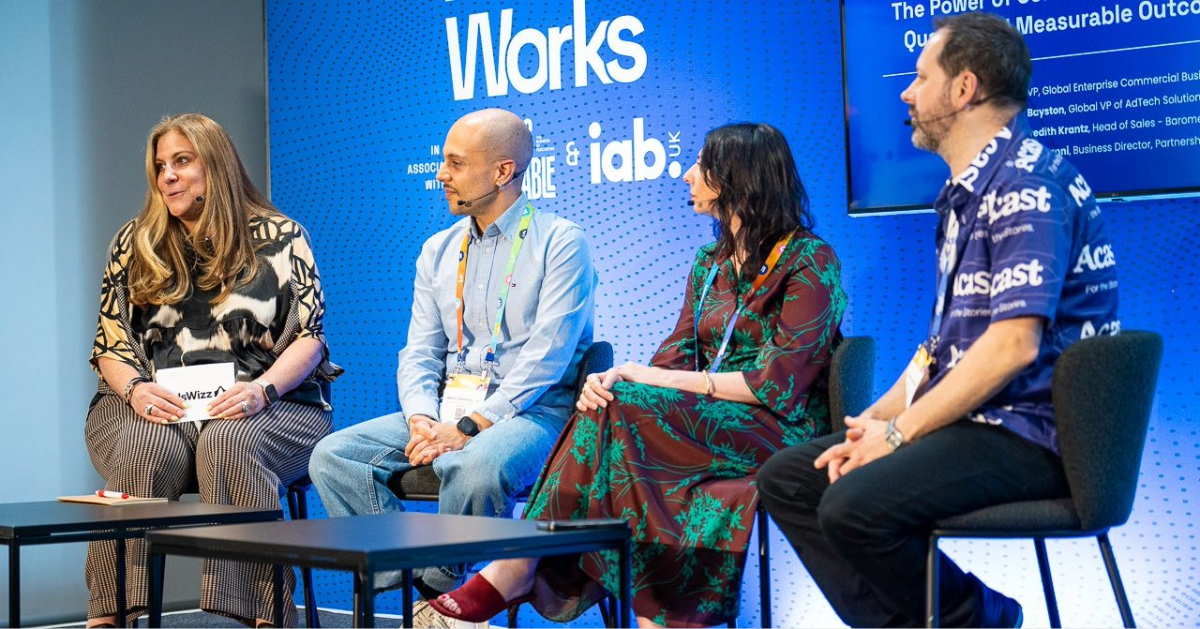
The tools and data are finally in place. The question is whether the industry is ready to act on them.
Content curation has long promised better context, less waste, and stronger performance. The challenge has never been the theory, but more activation. Deal structures move slowly, brand safety rules limit scale, and execution often falls short. That is starting to change. Tools from Barometer are helping reduce false positives instead of simply blocking content. That distinction matters. Over-blocking kills scale, and scale is what buyers need to justify budget.
That tension was at the center of the panel, The Power of Content Curation: Driving Scale, Quality, and Measurable Outcomes in Audio. Moderated by Anne Frisbie, SVP Global Enterprise Commercial Business at AdsWizz, the session brought together voices from across the supply chain to explore what it actually takes to close that gap.
The discussion outlined the practical realities of podcast advertising, from how inventory gets packaged and audience quality gets validated to how advertisers measure outcomes after an ad is heard, not just whether it was delivered.
Speed kept coming up as the real frustration. You can have the right content, the right audience, and the right targeting in place and still lose weeks getting the campaign live. The panel agreed that if activation takes six weeks, the curation isn’t really working. That’s the gap the industry needs to close.
Fandom is already beyond niche. It’s where the attention lives.
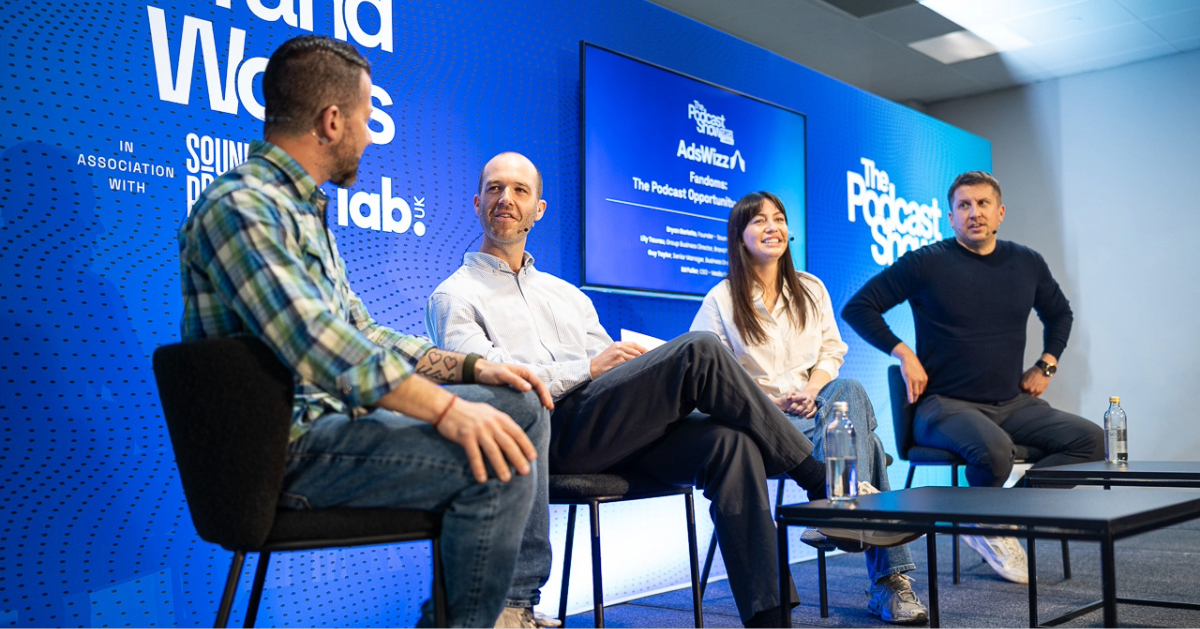
Podcast listeners engage differently with the content they follow. Brands that understand that tend to outperform those that don’t.
Most podcast advertising strategies are built around reach and frequency. That’s the wrong starting point. Podcast listeners don’t just consume content. They build relationships with the hosts and creators behind it. Over time, trust builds in a way few other channels can replicate. As Wondery’s Fandom Phenomenon study puts it, TV makes you a spectator. Podcasts make you feel part of the conversation.
Fandoms: The Podcast Opportunity for Brands, moderated by Bryan Barletta, Founder of Sounds Profitable and President of Podcast Movement, explored what that means in practice. The theme that kept surfacing was fit over frequency. Podcast listeners build strong relationships with the creators they follow, and that trust doesn’t automatically transfer to every advertiser. The brands that perform best tend to be the ones that feel like a natural fit for the show and its audience.
Measurement is where the real complexity lies. A listener who hears an ad on their favorite football podcast on Tuesday morning and converts on Friday afternoon is a real result, but it’s easy to lose under the wrong attribution model.
The FIFA World Cup was highlighted as a near-term opportunity many brands still haven’t properly mapped out. Yet what continues to slow progress is habit and the comfort of channels that are easier to justify in planning meetings. The data, measurement tools, and audience signals already exist. What’s often missing is the willingness to act on them.
The opportunity is there. The question is who moves first.
The UK podcast audience has gone mainstream. The tools to buy, measure, and scale podcast advertising are maturing. And the brands that understand fandom, context, and creator trust are already pulling ahead. What happens next depends on whether the industry is willing to close the gap between what it knows and what it does.
If you’d like to discuss what that could mean for your media strategy, get in touch with the AdsWizz team.
by Ollie Chadwick, Regional Director, UK & Ireland