People spend 20.5% of their media time listening to audio, according to Edison Research’s Share of Ear. Yet audio gets just 3.8% of ad investment, and digital audio just 1.7%, based on WARC/eMarketer spend data. That gap set the agenda for the third annual Audio Days London, where agencies, publishers, and creators came together to figure out how to close it.
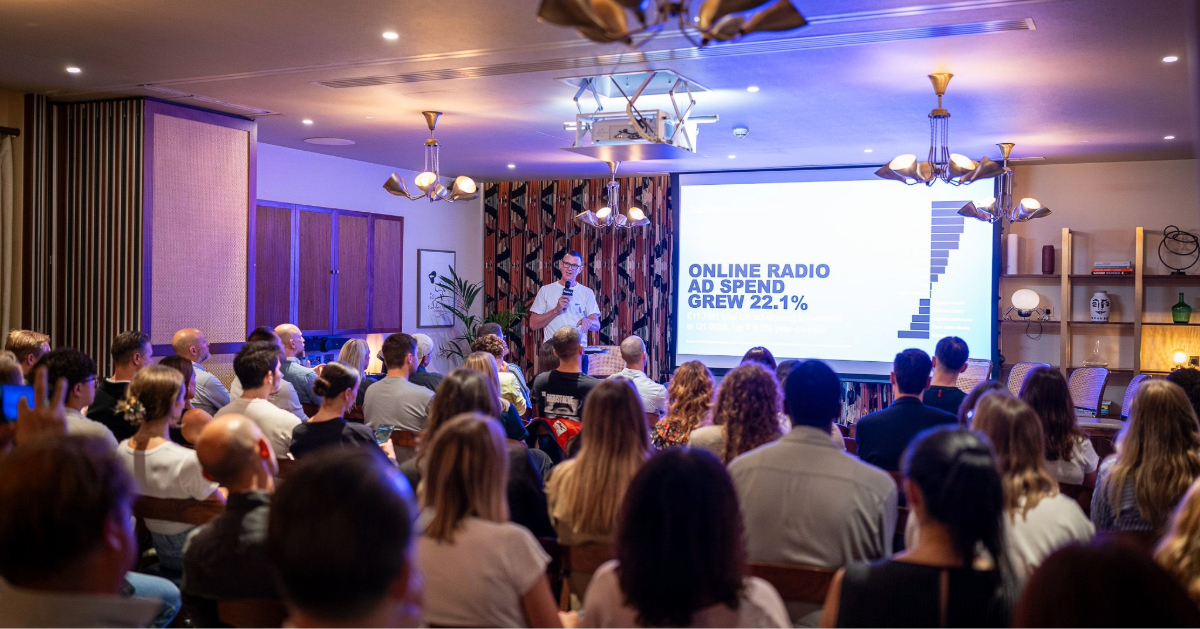
The audience isn’t waiting for the money to catch up. UK radio reaches a record 51.1 million people a week, and a third of listening now happens online, according to RAJAR Q2 2026 figures. Advertisers are noticing: online radio was the UK’s fastest-growing ad medium in Q1 2026, up 22.1% year over year and more than double the growth across all media.
Three themes from the day show how buyers can begin closing that gap.
Plan linear and digital audio together to reach more listeners
AdsWizz’s opening panel, “Programmatic Audio: Breaking Down the Silos,” made it clear that planning linear and digital audio separately misses listeners. Running linear and online radio side by side, for example, reaches people a single channel can’t. Adding digital audio to a multichannel campaign pays off, too. In one campaign across TV, press, and digital audio, digital audio performed best, and its audience insights shaped the next round. Measurement and brand safety still come up as objections, but solutions for both exist, and once clients see what a combined buy delivers, they keep coming back.
The playbook comes down to three steps:
- Show clients a timeline of a listener’s day and point out the moments only audio can reach.
- Use the audience data from digital to sharpen the linear buy.
- Pull budget from other channels. Even a modest shift from social and search into audio can lift ROI.
Measure audio on its own terms to prove what it delivers
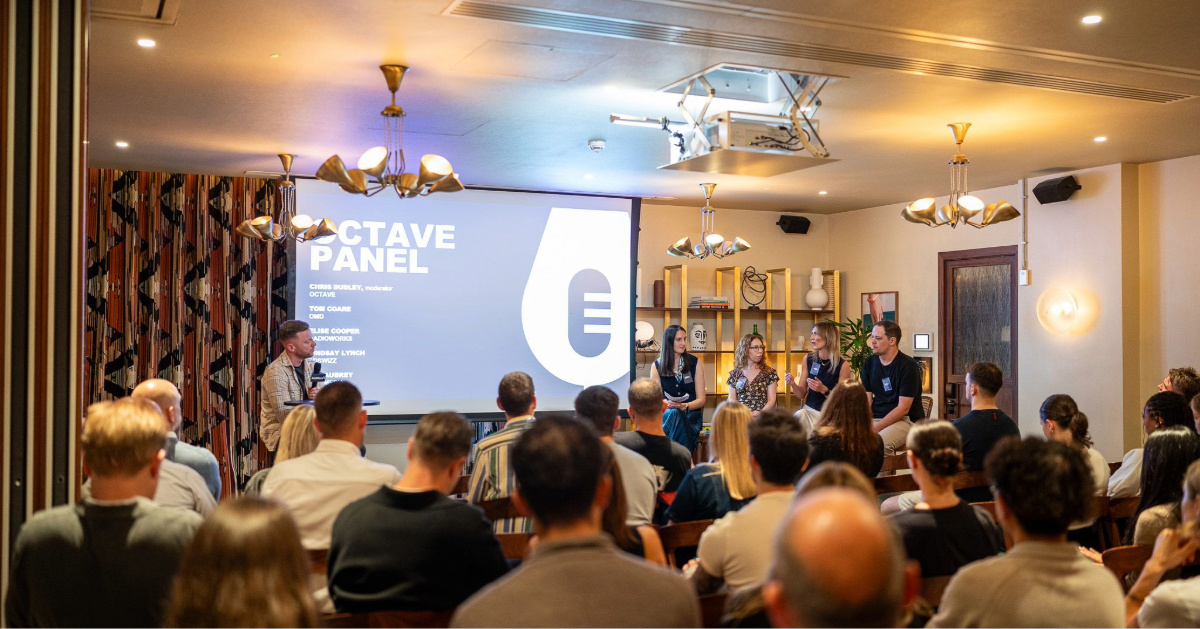
Clients have always asked about reach and frequency. Now they want attribution, and that’s where audio often gets misjudged, because it doesn’t behave like a click-driven channel. Octave’s “Measurement and Targeting Panel” noted that listeners are often doing something else when an ad plays, and a Radiocentre study found it takes 21 hours for the full effect of a radio ad to show. Judge audio on a social media clock and you’ll miss most of what it does.
The fix starts with patience. Run audio as an always-on channel rather than a three-week flight, treat no single test as gospel, and let trends across campaigns shape the next plan. Measure this way and attribution can prove the payoff, as a case study from audioXi’s “Streaming Audio Panel” showed. In a recent broad-audience campaign for UK supermarket ASDA, data partners linked who heard the ads to what they actually bought. The result was a 20x sales ROI.
That result isn’t a one-off, and the evidence reaches well beyond Audio Days. In his Cannes Lions presentation of global audio research, marketing professor Mark Ritson called audio “an unfair advantage hiding in plain sight.” Measuring it the right way is how buyers bring that advantage into the open.
Tap into host trust to turn ads into recommendations
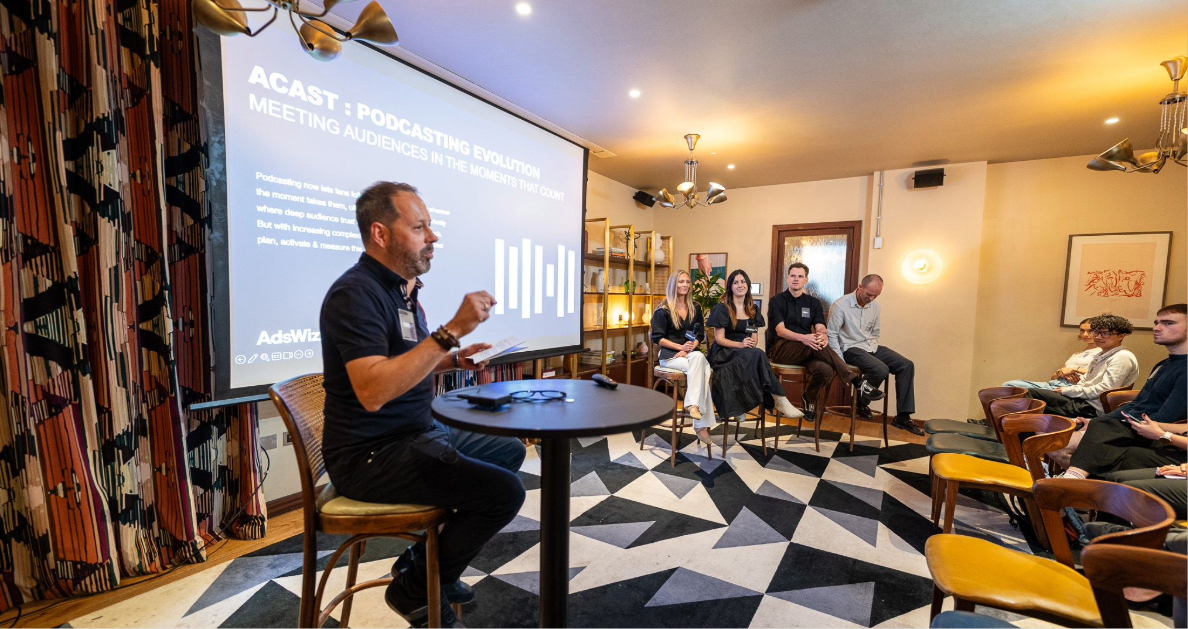
Too many plans still treat podcasts as an optional add-on, but Acast’s “Podcasting Panel” put it simply: podcasts should be an “and podcast” decision, not an “if podcast” one. An Acast/Nielsen study backs that up: Acast podcasts added 25% incremental reach versus radio alone, 14% versus music streaming, and 21% versus broadcast video on demand. Host-reads work because they feel like part of the show, as an HSBC wealth-management campaign showed when it was woven into “Football Ramble” and Dan Snow’s “History Hit.”
Podcast hosts on the “Talent Panel,” including comedian Tom Price, actress Natalie Cassidy, and sports broadcaster Will Gavin, say trust comes first, and most prefer working with brands they genuinely use. Buyers should apply the same filter: match the brand to a host who would buy it, and the read sounds like a recommendation, not an ad.
Fit matters as much as the host. Acast’s panel also shared an IKEA brief that focused on mattresses, so the plan looked to podcasts that would send listeners to sleep. That kind of thinking makes audio feel relevant instead of interruptive.
How to close the gap
Audio has attention, trust, and a growing body of proof. Plan linear and digital together, measure audio on its own terms, and put host trust to work. Brands that act now will get in while the gap between attention and investment is still wide.
Thanks to our partners Octave, Acast, and audioXi, and to every speaker who joined us on stage.
Ready to close the gap in your own audio plan? Contact the AdsWizz team to start the conversation.
by Alexandra Ilie, Senior Product Marketing Manager